Blog
What Factors Affect Selection of the Best Materials for Restaurant Furniture?

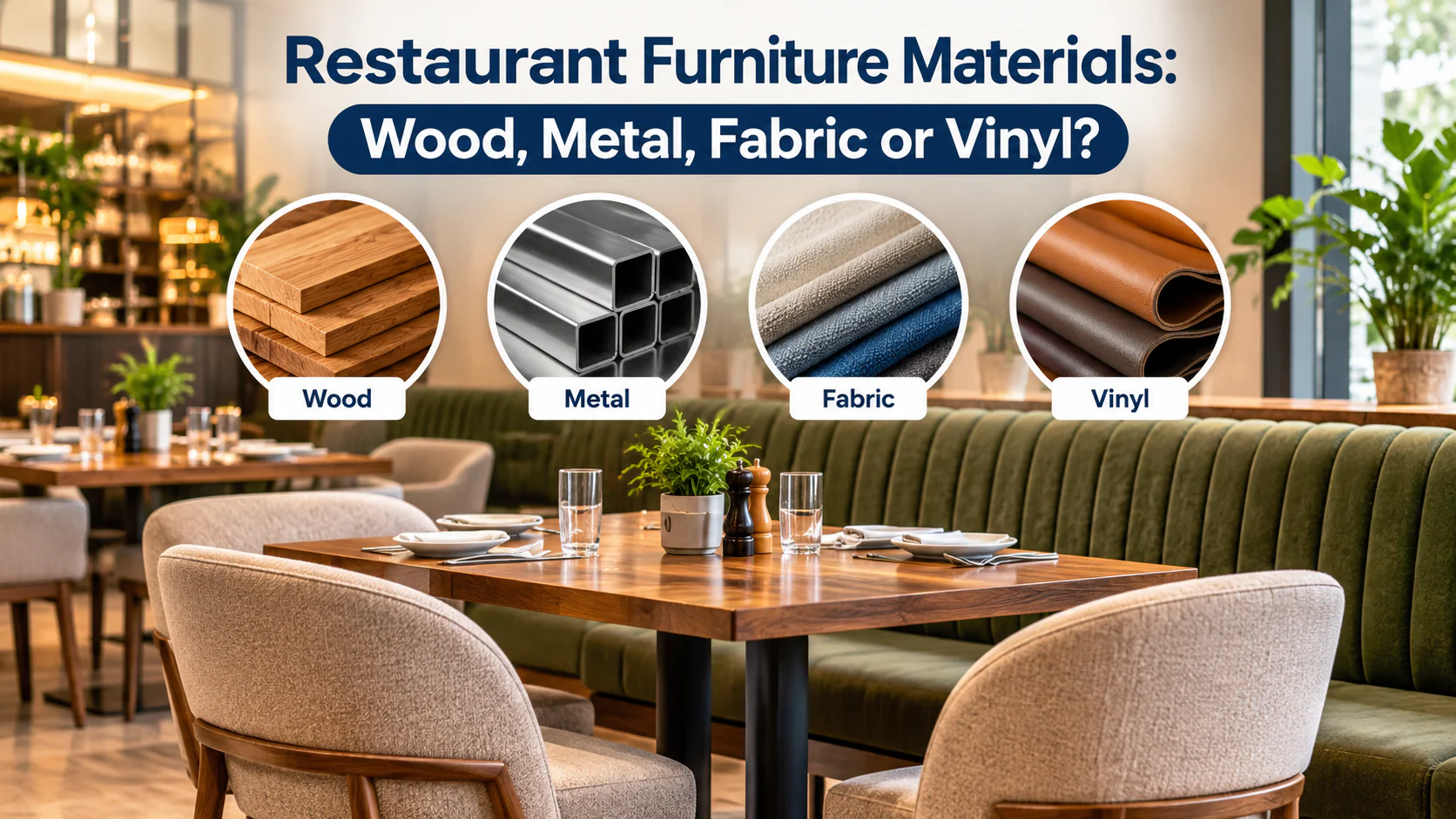
There are a number of factors to be taken into account when selecting restaurant furniture materials beyond looks. The materials used in restaurant furniture can influence comfort and satisfaction levels of guests, ease of maintenance, durability, and overall atmosphere in a commercial dining space.
It is important for restaurant owners and project managers to select furniture materials that help create the kind of interiors that are both appealing and functional.
Some elements like wood, metal, fabric, and vinyl can be combined creatively to give character and warmth to a space and create different levels of comfort and ease of maintenance in restaurant furniture.
At Contract Furniture Specialists, we know the importance of selecting furniture materials that are fitting for a given space. As a contract furniture company specializing in bespoke seating, we work closely with our clients to develop solutions that help them realize their design objectives for a given space.
In this guide, we cover the main materials used in restaurant furniture and take a look at some of the factors that should be considered when making a material selection.
Why is Selection of Materials for Restaurant Furniture Important?
Due to the nature of the usage, furniture materials in a restaurant need to be durable to withstand regular use and frequent cleaning. The selection of materials should also be done with consideration to comfort and the expected lifespan of the product.
When purchasing restaurant furniture, consider the following:
- Usage and foot traffic: How often will customers use the furniture?
- Cleaning: What kind of cleaning process will the restaurant follow?
- Design: Will the material used in the furniture clash with the overall design of the restaurant?
- Customer comfort: Will customers be seated for a long time or a short time?
- Maintenance: What kind of maintenance will the material require?
- Durability: Is the furniture suitable for commercial use?
- Budget: Is the cost appropriate for the look and use?
- Space and layout: Will the furniture fit comfortably in the given space?
Considering the above points can simplify the planning of furniture design and help business avoid bad design choices.
Wood for Restaurant Furniture
Due to its versatility, wood is a popular choice in designing restaurant interiors. It creates a welcoming atmosphere and complements various design styles.
Wood can be used in different types of restaurants, from a casual dining establishment to a formal dining restaurant to a modern or contemporary café.
Wood can be used in:
- Tables
- Chairs
- Decorative elements and accents
- Special and one-of-a-kind designs
The use of different wood finishes can create various effects. Using a natural finish may create a warm effect and using a dark finish may create a refined effect. Using a light wood finish may be suitable for a modern or minimalist design style.
appearance alone should not be the determining factor of the selection of the furniture. The business should check the finish of the furniture and see if it is suitable for commercial use.
Wood can be combined with metal framing or upholstery to make furniture with great character.
Metal for Commercial Restaurant Furniture
The use of metal in commercial furniture can be modern and clean. It works well in cafes and bars.
Common uses for metal in furniture includes
- Dining chairs
- Table and Bar supports
- Furniture legs
- Structural components
Metal can also be used for decorative trim.
Contrasting metal and wood in furniture can give different effects, for example using a wood top with a metal base or using a metal chair frame with an upholstered seat.
The use of metal can also impact the acoustics of a space. Businesses should take into account the intended use of the space and how the furniture can impact that.
Metal with wood and fabric can give restaurants great design flexibility.
Fabric Upholstery for Restaurant Seating
Fabric can transform a restaurant and make it look more welcoming and distinct.
Fabric is used in
- Upholstered dining chairs
- Banquettes
- Booths
- Lounges
- Benches
- Panels
Fabric can create an inviting atmosphere and also work to reinforce a restaurant’s brand identity.
Texture also can create depth and character in interior spaces.
Restaurant upholstery, however, requires special consideration. What might appear to be an attractive fabric in a showroom might not be the best choice for a high-use, public environment.
Prior to making a selection, the user should evaluate:
- Instructions for cleaning and maintenance
- Whether the fabric is suitable for the application
- The level of use expected
- Appropriate color and texture
- Relevant product specifications
- The overall design of the seating
Both appearance and practical requirements should be considered when selecting upholstery to achieve an appropriate balance for restaurant seating to accommodate everyday use.
Vinyl and Easy-Maintenance Upholstery Options
From the standpoint of ease of cleaning and maintenance, vinyl and easy-maintenance upholstery finishes are among the first choices for restaurant seating.
Accidents involving spills of food and drink are part of the normal operations of a restaurant. Because of this, the maintenance requirements of upholstered furniture is very important.
Depending on the specifications of the product, there are vinyl restaurant chairs, as well as booth seats and banquettes.
Not all vinyl is the same. Different finishes and specifications vary in their cleaning requirements, their look, and their suitability for a given environment.
Before a vinyl product is specified, it is important to review the manufacturer’s recommendations for cleaning, the product’s suitability for the environment, its durability, its look, and maintenance requirements.
Benefits of Using Different Restaurant Furniture Materials
A restaurant doesn’t need to use the same material throughout an entire dining space. Different materials can be used to define areas within a space and add variety and interest to the space.
Common material combinations may include:
- Wooden dining tables with upholstered chairs.
- Metal table bases with wooden table tops.
- Upholstered banquettes with dining chairs.
- Metal stools with padded seats.
- Wooden frames with padded arms.
- Wood and metal combinations.
Creative use of different materials and combinations can help add interest to a space while visually balancing different elements.
An example of this may be to use upholstered banquette seating along one wall of a dining space and use individual chairs with other dining tables in the space.
Depending on the combination of elements, different materials used within a space can compliment and coordinate with other elements of the interior design, including wall finishes, flooring, lighting and accessories.
When to Use Different Materials in a Custom Banquette Seating Design
There are many advantages of using different materials in banquette seating within the design of a restaurant.
Unlike traditional loose furniture, custom banquette seating can be designed to integrate perfectly with the floor space of a restaurant, including its layout and proportions.
A solution may require selection and integration of different materials, such as:
- Frame: The frame defines the supporting structure of banquette seating and must be carefully chosen based on factors of design and usage.
- Cushioning: Cushioning has a significant influence on the comfort of a seating surface.
- Upholstery: Different options, from fabrics to vinyl, can be used, depending on the look and the maintenance level required.
- External finishes: banquette seating can be enhanced with the use of complementary materials, trims and finishes.
As banquette seating often occupies a significant portion of the restaurant space, the material selection for banquette seating influences the overall look and feel of the space.
Finding the right balance of dimensions, finishes and seating can help address the many considerations of a restauranteur.
The furniture needs to integrate with the cleaning schedule and the maintenance of the furniture can add unneccesary challenges to the staff. The care instructions for different materials should be considered. The required maintenance should be in line with the normal operations of the restaurant. Manufacturer’s instructions should be followed.
Furniture, especially seating, defines a part of the character of a restaurant and has to be integrated into the overall interior design to have a good balance of elements.
For Example:
- Traditional restaurants: Use of natural woods and warm upholstery can create inviting spaces.
- Contemporary restaurants: A combination of metal details and clean lines can enhance a contemporary design.
- Premium dining: The use of fine upholstery and finishes on case goods can support a more elegant interior.
- Casual dining: A mix of materials and finishes can create practical and inviting spaces.
- Hotels and Hospitality: Coordination of finishes on case goods can unite various design elements throughout guest and dining areas.
All of the above can be designed in harmony with the flooring and wall color selections, complimentary lighting and table settings to enhance the intended design, and ultimately the brand.
Comfort is Key
Customer comfort is a critical aspect of design that is sometimes overlooked. Seating can influence the customer experience and length of stay.
Chairs and seating heights can enhance the restaurant experience. Wooden or metal chairs may suit the design and style of the restaurant while upholstered chairs offer comfort and a softer experience.
When designing for a business, consider:
- The depth of seating and support.
- Cushioning and upholstery.
- Table and chair proportions.
- What is the average length of time customers will be seated?
Comfort is a combination of many factors.
Benefits of Custom Restaurant Furniture
Although certain restaurant designs may work with mass-produced furniture, others (i.e. establishments with special branding or unique design concepts) may require fully customized solutions.
Fully customized furnishings allow businesses to take into account project specifics like:
- Unique dimensions
- Upholstery colors and finishes
- Wood and metal details
- Banquette seating
- Seating arrangements
- Furniture designs that represent a brand
A restaurant, for example, with a narrow dining area may require fully customized banquette seating to fit that space. Also, another restaurant may require fully customized seating to get a specific upholstery finish to compliment the interior design of the restaurant.
As a UK based commercial contract furniture specialist, Contract Furniture Specialists focuses on bespoke seating solutions that integrate design, craftsmanship and function.
Our philosophy is to envision your space, design with intention and deliver with care. We evaluate the commercial environment and design requirements of each project to enable our clients to develop furniture solutions to help them stand out in their market.
How to Choose the Right Restaurant Furniture Supplier
When looking for a restaurant furniture supplier, businesses need to look at the big picture and consider if the supplier really understands their project needs, and not just examine the individual pieces of the furniture and decide if they like the style.
Consider the following when evaluating a contract furniture specialist.
- Does the provider have commercial experience working with the restaurant and hospitality industries?
- Does the provider have the ability to produce custom work? Can the furniture be adjusted to meet your needs?
- Does the provider have the ability to incorporate your design into the construction of the furniture? Can different materials be added to the structure?
- Does the furniture integrate with the overall design of the restaurant?
- Does the supplier have the ability to understand your needs, and incorporate them into the furniture to meet your requirements?
- Do you feel confident that your needs have been communicated to the supplier?
A furniture specification that integrates your design needs into the practical constraints of opening a restaurant can help bring the design and requirements together.
If you are beginning a new restaurant or other hospitality project, you should consider using a Contract Furniture Specialist to help you with your commercial furniture needs.
Final thoughts
The choice of materials for restaurant furniture is very dependent on your business requirements.
Warmth and character can be added to your space with the use of wood and metal. Various fabric finishes can help add color and texture. Vinyl and other wall covering materials can be incorporated to meet your needs.
There is no one material that works for every restaurant. The most effective furniture specification is dependent on appearance, comfort and the overall experience you want your customers to have.
Different materials can be used to help increase flexibility for restaurant seating.
For assistance in turning your design requirements into practical commercial furniture, consider using a contract furniture specialist.
Contract Furniture Specialists provides custom seating and commercial furniture throughout the UK. Whether you’re a restaurant owner planning a fit out, or looking to upgrade your seating, or develop a new interior concept, give us a call to discuss your requirements.
Website: https://contractfurniturespecialists.com/
Frequently Asked Questions
There is not a ‘best’ material for every restaurant. Wood, metal, fabric, and vinyl can all be good materials to use depending on many factors. These include the intended use, the interior design, maintenance, expected comfort, and the financial aspect.
Yes. There are many wood construction details used in commercial restaurant furniture. The construction and finish need to be suitable for the commercial environment.
Yes. Upholstered seating can be good for restaurants. The fabric, or other upholstery, can be chosen based on the use and the requirements. It is important to select a fabric that meets the expectations for cleanup and is appropriate for the product.
Vinyl is good for restaurant seating where easy cleaning is key. Suitability depends on the product, specification and the manufacturer’s maintenance recommendation.
Different materials can be combined to create visual contrast and serve different functions. A combination of wood, metal and upholstered elements can be used to construct a coordinated dining setting.
Bespoke restaurant furniture can be manufactured to specific dimensions to suit the requirements of a particular project, for example, banquette and booth seating.
Materials should be selected based on durability, cleanability and maintainability, anticipated usage, comfort, look and feel, and overall interior design of the restaurant.